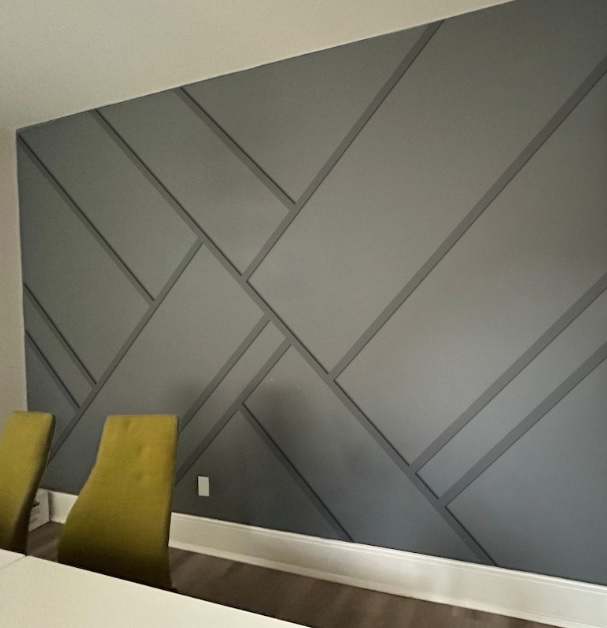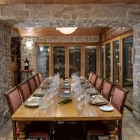
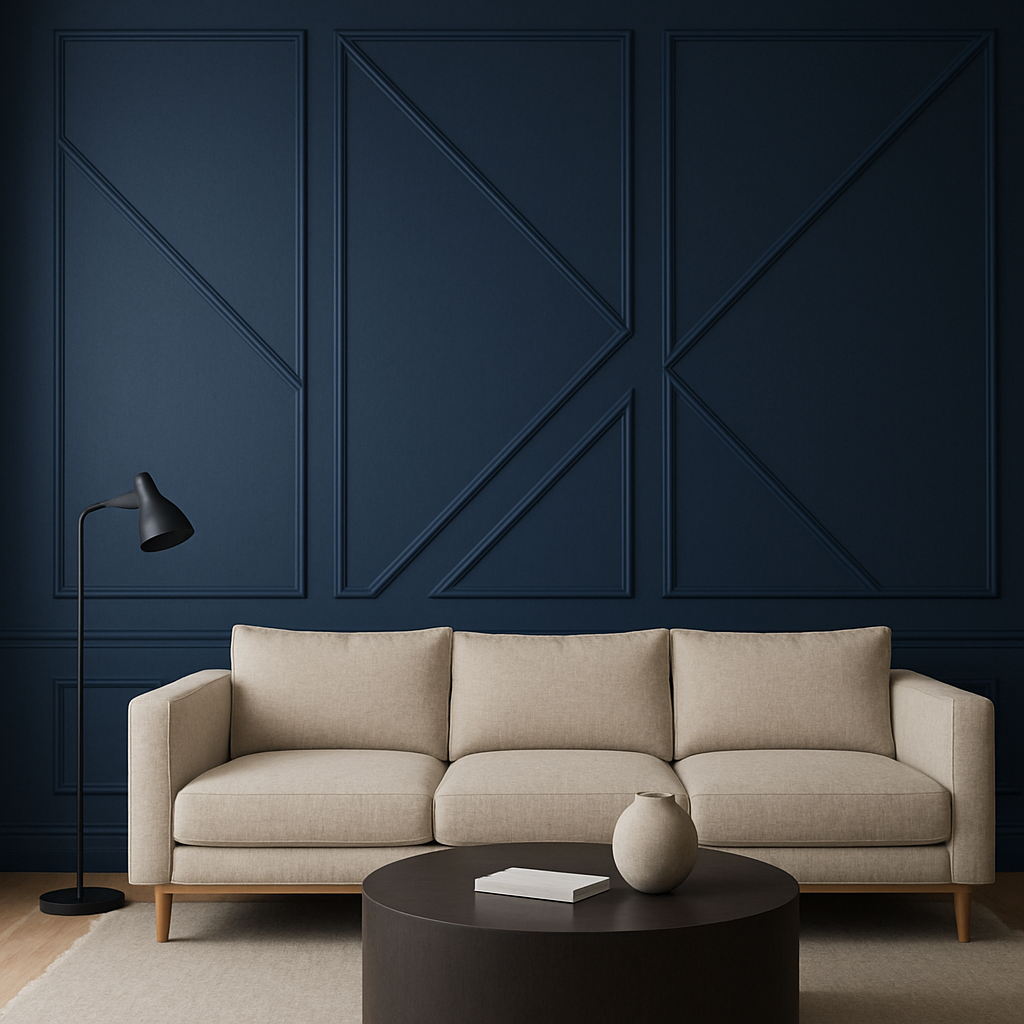
Below are lists of attributes between the Classicism and Post-Modern Panel Molding Styles. Neither style is better than the other, they are just different.
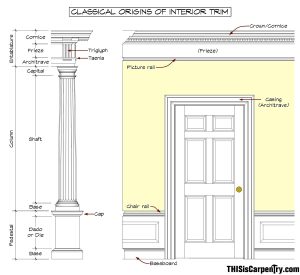
🏛️ Classicism Panels Moldings
| Element | Description |
|---|---|
| Design Logic | Symmetry, proportion, hierarchy based on Classical Orders (Doric, Ionic, Corinthian) |
| Panel Shapes | Rectangles, squares; aligned in grids or wainscoting layouts |
| Trim Profile | Ornate and detailed: ogee, cavetto, egg-and-dart, fluting |
| Scale & Proportion | Follows Golden Ratio; often tall and vertically oriented |
| Color Palette | White, cream, soft pastels, or historical hues (olive, ochre, Pompeii red) |
| Vibe | Formal, timeless, structured elegance |
| Ideal Room Types | Dining rooms, libraries, formal sitting rooms, grand foyers |
| Client Appeal | Traditionalists, luxury buyers, history lovers, high-end renovations |
🟦 Post Modern Panel Moldings
| Element | Description |
|---|---|
| Design Logic | Asymmetry, minimalism, visual rhythm or abstraction |
| Panel Shapes | Triangles, trapezoids, sharp diagonals, intersecting lines |
| Trim Profile | Flat or subtly beveled; clean edges with sharp corners |
| Scale & Proportion | Bold contrasts and modular layouts, not bound to historic ratios |
| Color Palette | Deep tones (navy, charcoal, black), or monochrome feature walls |
| Vibe | Edgy, architectural, expressive, avant-garde |
| Ideal Room Types | Living rooms, offices, staircases, bedrooms with statement walls |
| Client Appeal | Design-forward homeowners, creatives, young professionals, modern remodels |